“Sharps” is a medical term for devices with sharp points or edges that can puncture or cut skin.
Examples of sharps include:
- Needles – hollow needles used to inject drugs (medication) under the skin
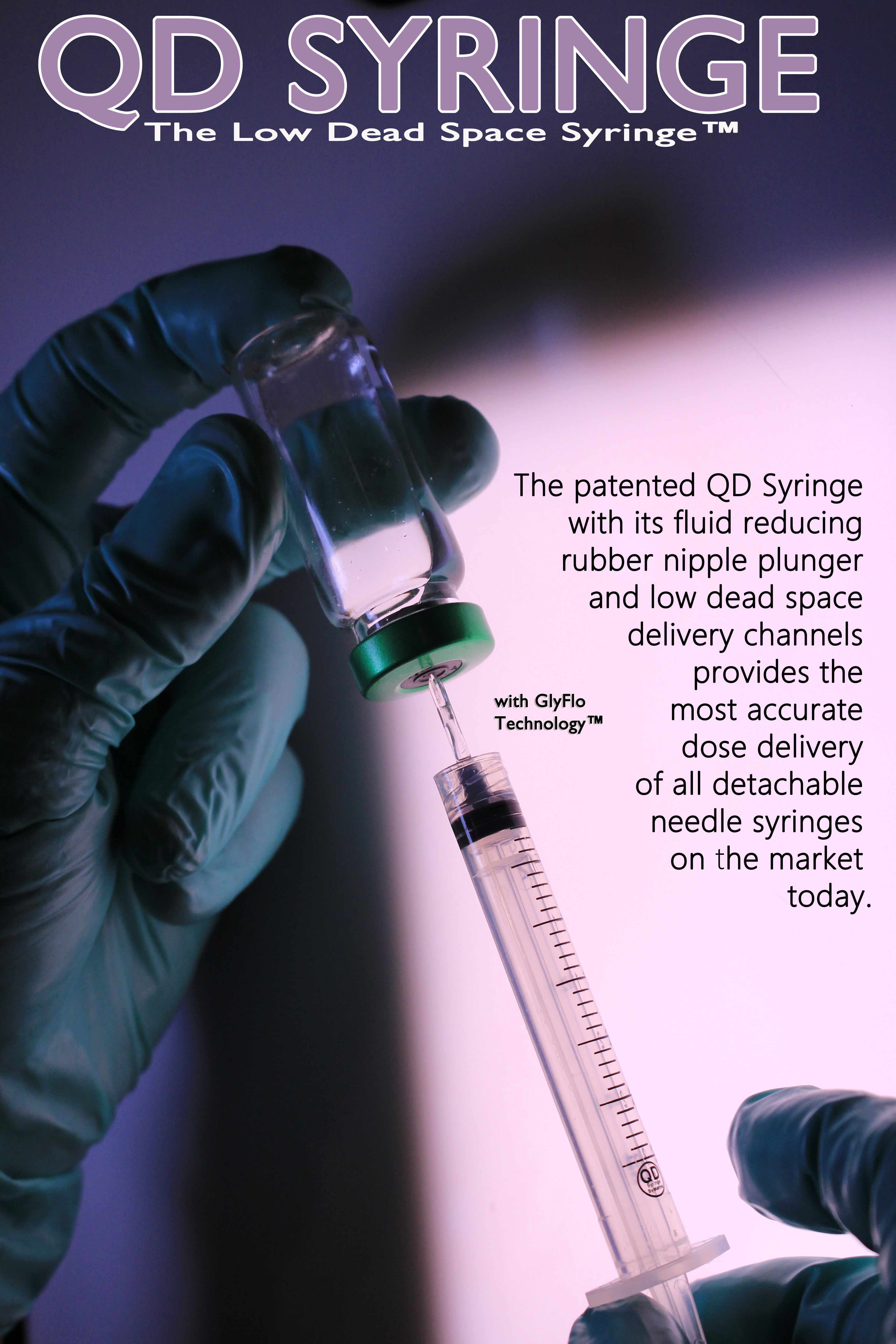
- Syringes – devices used to inject medication into or withdraw fluid from the body
- Lancets, also called “fingerstick” devices – instruments with a short, two-edged blade used to get drops of blood for testing. Lancets are commonly used in the treatment of diabetes.
- Auto Injectors, including epinephrine and insulin pens – syringes pre-filled with fluid medication designed to be self-injected into the body
- Infusion sets – tubing systems with a needle used to deliver drugs to the body.
- Connection needles/sets – needles that connect to a tube used to transfer fluids in and out of the body. This is generally used for patients on home hemodialysis.
Sharps may be used at home, at work, and while traveling to manage the medical conditions of people or their pets. These medical conditions include allergies, arthritis, cancer, diabetes, hepatitis, HIV/AIDS, infertility, migraines, multiple sclerosis, osteoporosis, blood clotting disorders, and psoriasis.
There are about 9 million Americans who use needles or other sharps to manage their medical conditions at home. This amounts to more than 3 billion used needles and other sharps that must be disposed of outside health care settings each year.1
Importance of Safe Sharps Disposal
Used needles and other sharps are dangerous to people and pets if not disposed of safely because they can injure people and spread infections that cause serious health conditions. The most common infections are:
- Human Immunodeficiency Virus (HIV).
Safe sharps disposal is important whether you are at home, at work, at school, traveling, or in other public places such as hotels, parks, and restaurants.
Never place loose needles and other sharps (those that are not placed in a sharps disposal container) in the household or public trash cans or recycling bins, and never flush them down the toilet. This puts trash and sewage workers, janitors, housekeepers, household members, and children at risk of being harmed.
Pet owners who use needles to give medicine to their pets should follow the same sharps disposal guidelines used for humans.
What to Do If You Are Accidentally Stuck By a Used Needle or Other Sharp
If you are accidentally stuck by another person’s used needle or other sharp:
Wash the exposed area right away with water and soap or use a skin disinfectant (antiseptic) such as rubbing alcohol or hand sanitizer.
Seek immediate medical attention by calling your physician or local hospital.
Follow these same instructions if you get blood or other bodily fluids in your eyes, nose, mouth, or on your skin. For more information on viruses and needle-stick prevention, visit the
Occupational Safety and Health Administration’s website.
~
www.FDA.gov
--------------------------------------------------------------------
~
www.QDSyringe.com
~
www.QDSyringeSystems.com